Looking Past Lead

For the past few years, municipalities and the utilities that serve those communities have been learning about changing standards and regulations regarding the amount of lead that comes in contact with drinking water. Government and industries together have taken specific steps to limit the use of lead in manufactured water system products. The ramifications for cities, as would be expected, are numerous ? affecting both existing and future water system infrastructure, planning and, of course, budgeting. At the same time, the general public has taken a greater interest in water quality, especially in light of studies on the possible negative health effects of lead exposure.

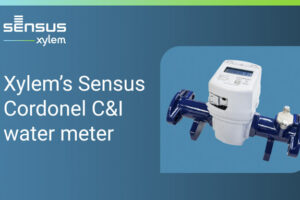
The first significant standard for lead in the water industry was NSF/ANSI Standard 61, adopted in October 1988 and eventually enacted in 46 states. The standard set performance (pertaining to leaching) requirements to limit the potential health effects of drinking water system components. Section 8 of NSF 61 deals specifically with mechanical devices, including water meters and other in-line devices used to measure or control the flow of water in distribution systems.
Lead in Drinking Water
Performance (Leaching of Material) Standard for Lead
In 2007, an amendment, Annex F, was added to NSF/ANSI 61 modifying an existing performance standard for chemical extraction to measure whether contaminants that leach out of the product or material into drinking water exceed acceptable levels.

As of July 1, 2012, the revised performance standard will continue to evaluate drinking water system components for health effects but with more stringent requirements. Instead of 15 micrograms per liter, the total allowable concentration (TAC) under Annex F has been reduced by two-thirds to just five micrograms per liter.

Continue Reading

This archived story is available after you provide your email address and accept our Privacy Policy.
This field is for validation purposes and should be left unchanged.
Benjamin Media uses the information you provide to us to contact you about our relevant content, products, and services. Benjamin Media will share the information you provide to us with sponsor(s) of requested content. You can unsubscribe from communications from Benjamin Media at any time. For more information, check out Benjamin Media's Privacy Policy.*

Benjamin Media uses the information you provide to us to contact you about our relevant content, products, and services. Benjamin Media will share the information you provide to us with sponsor(s) of requested content. You can unsubscribe from communications from Benjamin Media at any time. For more information, check out Benjamin Media's Privacy Policy.

Leave a Reply

Your email address will not be published. Required fields are marked *