
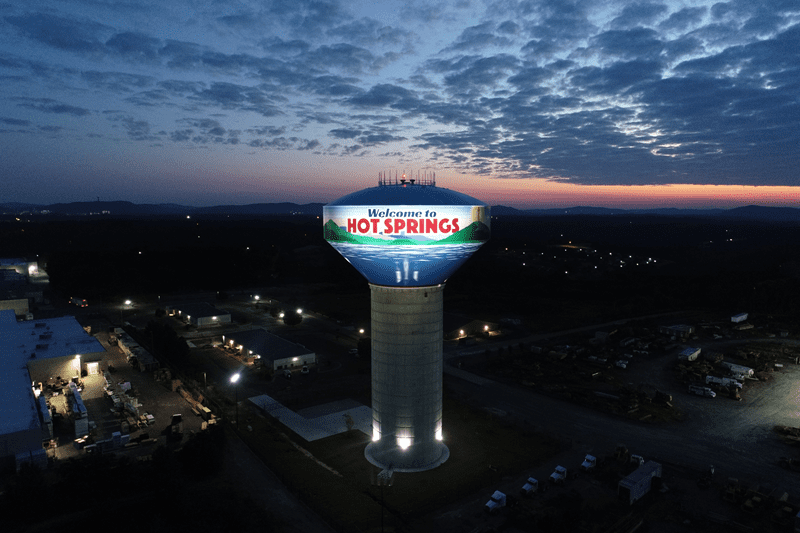
The City of Hot Springs, Arkansas, recently upgraded its water metering infrastructure, resulting in a significant reduction in the amount of water lost during distribution.
Hot Springs’ water system is 143 years old and its service area includes water mains located in rocky terrain, making it difficult to detect leaks that had become frequent due to aging infrastructure. Working with Xylem, the city has introduced advanced metering infrastructure (AMI) and a commutations network which the company said has cut non-revenue water nearly in half.
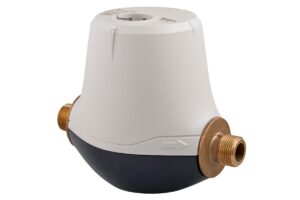
“We spend $3 million a year replacing aging infrastructure for capital improvements, making a noticeable dent over five years,” said Monty Ledbetter, director of utilities at the City of Hot Springs. “Our first wise investment was the deployment of advanced metering infrastructure (AMI), which allowed us to monitor the system more efficiently with Sensus iPERL meters and the FlexNet communication network.”
The technology upgrade has allowed Hot Springs to remotely monitor water distribution activity and conduct real-time leak detection. In one instance, Hot Springs identified a sudden loss of 4 million gallons, leading crews to quickly locate the problem and repair a broken air release valve.
Hot Springs has reduced its non-revenue water (NRW) from 44 percent to 24 percent with the use of AMI and acoustic listening devices and has a goal of 20 percent NRW within the next year, eventually aiming for 10-12 percent.
In addition, Hot Springs’ utilities department is using Xylem Vue to develop virtual district metering areas — smaller, more manageable zones within the network so the city can pinpoint high water loss areas via the integrated software and analytics. The city strategically plans to expand the virtual zones in an effort to continue reducing non-revenue water. Read more about Hot Springs’ digital transformation.







Leave a Reply