
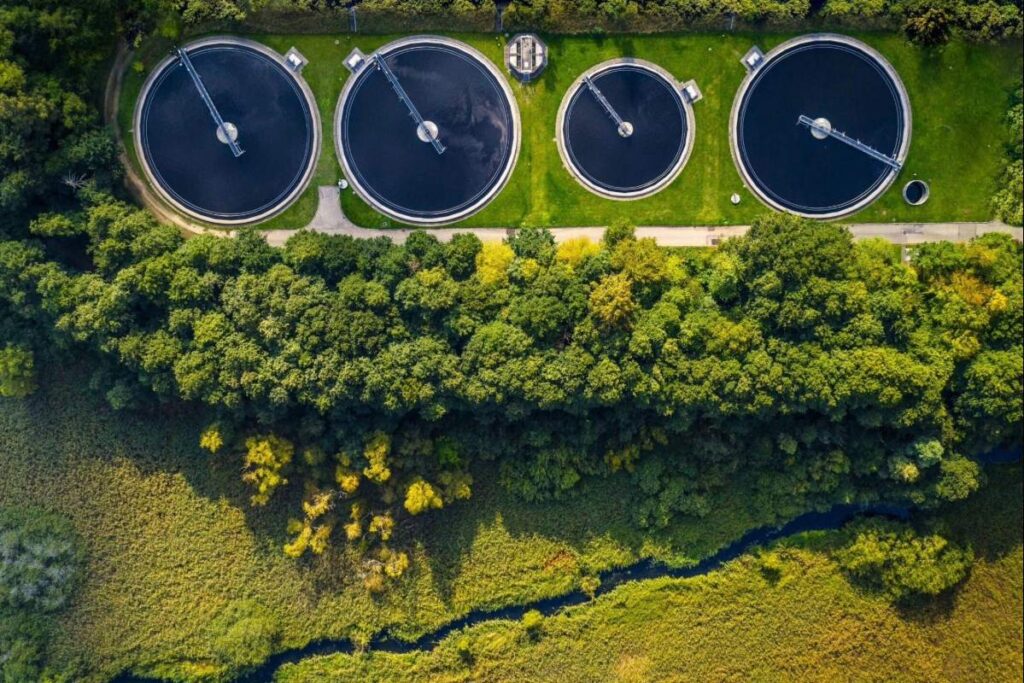
Water sector groups are reacting favorably to the reintroduction of the Water Infrastructure Resilience and Sustainability Act. The bipartisan legislation would fund upgrades to drinking water, wastewater and stormwater infrastructure and make them more resilient against threats ranging from cyberattacks to extreme weather.
The bill was introduced in the House of Representatives last month by Rep. David Valadao (R-Calif.), Rep. Salud Carbajal (D-Calif.), Rep. Jeff Van Drew (R-N.J.), Rep. Troy Carter (D-La.) and Rep. Brian Mast (R-Fla.). The Water Infrastructure Resilience and Sustainability Act would reauthorize the following three water infrastructure resilience programs from Fiscal Year 2027 to Fiscal Year 2031 at current authorization levels:
- Drinking Water System Infrastructure Resilience and Sustainability Program
- Safe Drinking Water Act section 1459A(I): This program, authorized for $25 million, awards grants to eligible entities for the purpose of increasing resilience to natural hazards including earthquakes, tornadoes, floods, hurricanes, wildfires and hydrologic changes.
- Midsize and Large Drinking Water System Infrastructure Resilience and Sustainability Program
- Safe Drinking Water Act section 1459F: This program, authorized for $50 million per year, awards grants to eligible entities for the purpose of increasing resilience to hazards, extreme weather events and reducing cybersecurity vulnerabilities.
- Clean Water Infrastructure Resiliency and Sustainability Program
- Clean Water Act section 223: This program, authorized for $25 million per year, awards grants to eligible entities for the purpose of planning, designing, or constructing projects that increase the resilience of a publicly owned treatment works to natural hazards and cybersecurity vulnerabilities.
The following organizations from across the sector expressed their support in a letter to Congressional representatives: the Alliance for Water Efficiency; the American Public Works Association; American Rivers; the American Water Works Association; Association of California Water Agencies; Association of Metropolitan Water Agencies; California Association of Sanitation Agencies; National Association of Clean Water Agencies; National Association of Water Companies; US Water Alliance; Water Environment Federation; and WateReuse Association.
How Regular Cyber Hygiene Protects Critical OT, IT from Risks
“NACWA applauds Representatives Carbajal, Mast, and Valadao for introducing the Water Infrastructure Resilience and Sustainability Act of 2025,” said Adam Kranz, CEO of the National Association of Clean Water Agencies (NACWA). “Reauthorizing the Clean Water Infrastructure Resiliency and Sustainability Program will help ensure continued federal support for projects that help utilities withstand natural disasters and cyber threats.”
“The Water Infrastructure Resilience and Sustainability Act will ensure that our drinking water and wastewater utilities have the resources to address floods, droughts, and cyber security risks,” said association of Metropolitan Water Agencies (AMWA) CEO Tom Dobbins. “This is crucial for reducing the vulnerability of water service to disruptions that would carry severe economic and public health consequences.”
AMWA added that it and other sector groups would continue to push for additional co-sponsors ahead of the planned introduction of a companion Senate bill.
According to the Cybersecurity and Infrastructure Security Agency (CISA), cyber threats are increasing across critical infrastructure sectors in the United States, including for water and wastewater systems.
Sources: Offices of Reps. Valadao, Carbajal, Van Drew, Carter and Mast; AMWA










Leave a Reply