Officials have been working to restore water service to parts of western North Carolina including in the City of Asheville in the aftermath of Hurricane Helene earlier in October.
Water has been substantially restored in Asheville, according to a report in the Asheville Citizen Times, but 75-80 percent of the system is still running non potable water through the distribution system to city and county residents. A city spokesperson said service will continue to be restored for more residents as the system pressurizes, tanks fill and the pump stations start operating, but said it could be weeks before the system is fully restored.
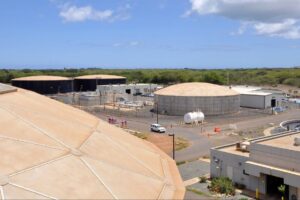
According to a report in AVLtoday, the North Fork Water Treatment Plant is responsible for 80 percent of Asheville’s water, and its 36-in. bypass water line sustained significant damage when Helene washed away nearly 25 ft of ground. The bypass line was a redundant installation intended to mitigate any damage to the 36-in. and 24-in. main and transmission lines and was originally built to withstand a typical hurricane event, but not Helene.
To address the amount of sediment in the water in the North Fork reservoir, local crews and the EPA created a small pilot plant to test treatment options and developed an in-reservoir treatment plant.
A boil water advisory remains in effect for the city. Another of Asheville’s treatment plants, the William DeBruhl plant had waterlines destroyed in the storm and is still inaccessible while roads are repaired, according to AVLtoday.
The Water/Wastewater Agency Response Network (WARN) in North Carolina (NCWaterWARN) has mobilized multiple teams in response to Hurricane Helene’s devastating impact on the western part of North Carolina. Deployments have been informed by damage assessments conducted by EPA and the U.S. Army Corps of Engineers (USACE). Once completed, these assessments will inform decisions related to contractor support for longer-term recovery projects, as well as any requests for additional utility assets to supplement NCWaterWARN crews through the Emergency Management Assistance Compact (EMAC). So far, multiple utilities, the N.C. Rural Water Association, and others have provided support.
WARN’s response in Florida (FlaWARN) is ongoing, especially in the Big Bend region, where three coastal towns experienced up to 20 feet of storm surge. Though Helene’s storm surge impacted or delayed access to many coastal areas, FlaWARN was able to provide resources and team members to Pinellas, Manatee and Sarasota counties. Overall, FlaWARN activated more than a dozen utilities and the Florida Rural Water Association in response to Helene.
Utility operations in Georgia, South Carolina, Tennessee and Virginia were also impacted by Helene.
Mobile Sampling Labs
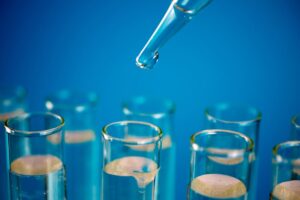
EPA, in coordination with the North Carolina Department of Environmental Quality, North Carolina Department of Health and Human Services, and local health departments, deployed a mobile laboratory to Asheville and is mobilizing a second laboratory to test drinking water samples in impacted communities.
“EPA is committed to protecting public health and the environment, and our mobile labs are bringing critical water testing directly to impacted residents,” said Acting Southeast Regional Administrator Jeaneanne Gettle. “We are working with state and local partners to make sure that families know when their water is safe to drink as they recover from the storm’s impact.”
EPA’s mobile laboratories can only accept water samples directly from water utilities, NCDEQ and local health departments – not residents. Private well owners whose wells were completely flooded or otherwise damaged by the storm are urged to contact their local health department to request testing. EPA is currently processing private well samples from Buncombe County and working to expand this service to additional counties. The agency is testing for total coliform and E. coli, which may indicate fecal contamination and the potential presence of harmful microorganisms.
To date, EPA has tested has accepted more than 375 drinking water samples. Each of the agency’s mobile labs is capable of processing up to 100 drinking water samples daily and responders can expand service, if needed, by sending samples to the EPA’s lab in Athens, Georgia. The mobile drinking water lab will remain in North Carolina until the state no longer needs the service.
In addition to water testing, EPA is collecting orphan fuel and chemical containers. To prevent possible spills to the environment, the agency is removing the contents of fuel oil tanks that have been recovered for recycling and possible disposal. To date, EPA responders have collected more than 800 containers that were displaced as a result of Hurricane Helene.
EPA is also urging homeowners to exercise caution as temperatures drop, and they restart their heating oil systems. If your heating oil system has been damaged by flooding, please follow these steps:
- Ensure Safety: Do not attempt to retrieve a displaced oil tank on your own, as it may pose significant safety risks and lead to fuel spills.
- Contact Emergency Services: Notify local emergency services if you suspect a fuel spill or any other hazards.
- Reach Out to Your Heating Oil Company: Report any issues to your oil supplier to have the system inspected by a professional before reuse.
- Arrange for Tank Removal or Replacement: Your oil company will help retrieve the tank and assess any environmental impact, with potential tank replacement if necessary.
Residents should also familiarize themselves with local regulations on oil spill reporting and consult their insurance providers regarding coverage for damages.
For more information on the mobile lab and water testing updates, visit EPA Hurricane Helene Response.


Leave a Reply