
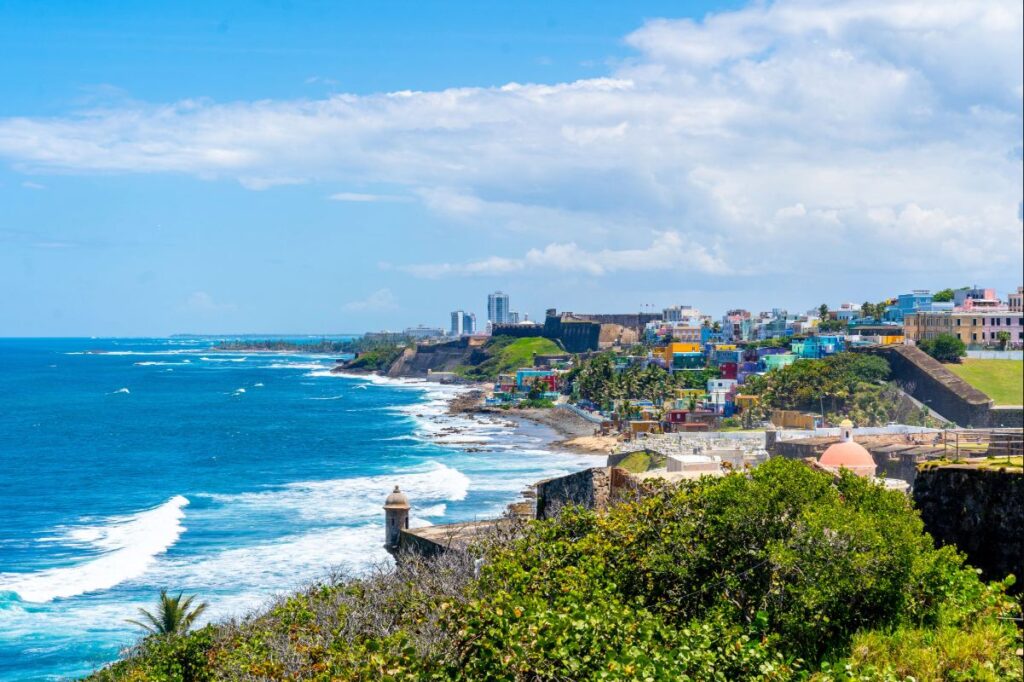
Puerto Rico Gov. Jenniffer González-Colón announced Sept. 2 that the U.S. Department of Agriculture (USDA) approved an additional drought disaster declaration for the territory, designating three municipalities as primary disaster areas and 16 additional municipalities as contiguous areas.
According to the U.S. Drought Monitor, nearly 70% of the total area of Puerto Rico is experiencing drought conditions, with 39.5% characterized as “extreme drought” as of Sept. 8.
In Puerto Rico’s capital city of San Juan, rainfall in August was well below averages, and July was the driest month on record in more than in 120 years, according to an Associated Press report.
In response, officials implemented a mandatory 48-hour rotating water rationing program in August. Residents have access to water for 48 hours at a time followed by 48 hours with no service. The mandatory rationing is primarily for the San Juan region and nearby municipalities, affecting hundreds of thousands of people.
This new federal designation builds on the declaration previously announced by the governor on Aug. 26 and brings to 38 the total number of distinct municipalities in Puerto Rico covered by federal drought-related disaster declarations. The designations allow eligible farmers and agricultural producers to access emergency loans and other assistance tools available through USDA and the Farm Service Agency (FSA).
In addition, the USDA drought disaster declaration makes Economic Injury Disaster Loans (EIDL) available through the U.S. Small Business Administration (SBA) to eligible small businesses and nonprofit organizations located in the designated municipalities. These loans are intended to assist entities experiencing economic hardship as a result of drought conditions and are subject to the eligibility requirements and criteria established by the SBA.
The new declaration, issued by the federal agency, responds to conditions identified by the U.S. Drought Monitor, including areas that met the federal intensity and duration criteria required to activate this assistance mechanism.
“This action represents critical additional support for our farmers and agricultural producers who continue to face challenging conditions across our Island,” said González-Colón.
Since the 1950s, Puerto Rico has experienced several major droughts, according to drought.gov. The extreme drought of 2014–2016 required the implementation of severe water restrictions that affected over a million people and resulted in more than $14 million in agricultural losses. Another drought in 2020 led to water rationing measures and a declaration of a State of Drought Emergency by the Governor.





Leave a Reply