
By Brendan O’Brien
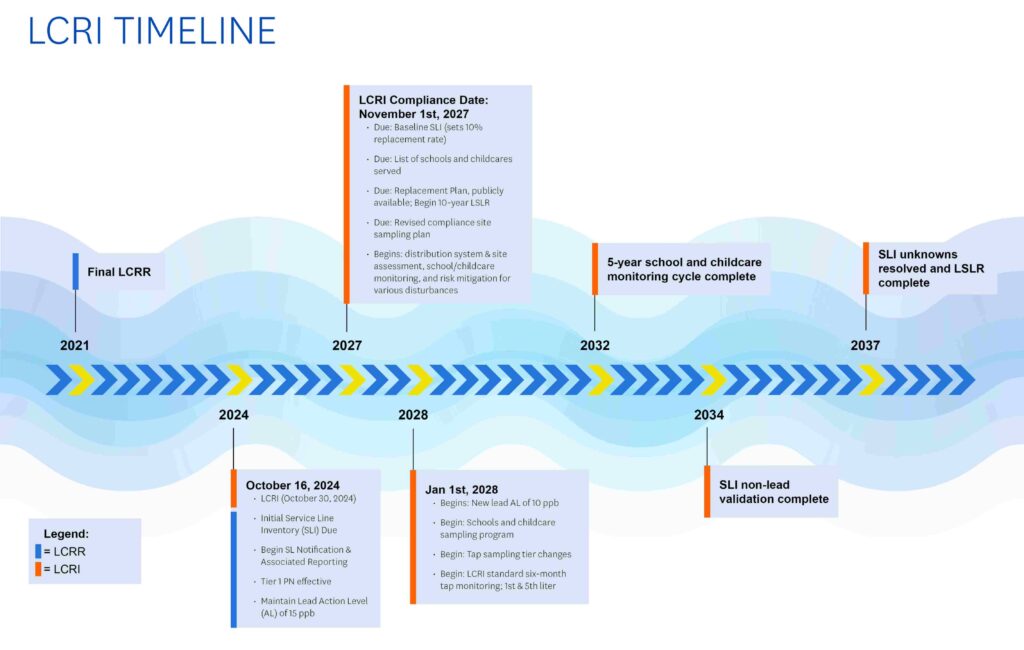
More than a year has passed since the Lead and Copper Rule Revisions (LCRR) compliance deadline, bringing us closer to the Lead and Copper Rule Improvements (LCRI) compliance deadline of Nov. 1, 2027.
While some utilities may have shifted their focus away from service line inventories over the past year, attention is turning to compliance as the LCRI deadline approaches — now one year earlier than the rule was finalized. Utilities across the country once again face the pressure of meeting the requirements aimed at eliminating lead exposure risks. There is a lot to be done over the next two years.
To support this, the U.S. Environmental Protection Agency (EPA) has released the next round of State Revolving Fund (SRF) appropriations to help utilities achieve compliance. Utilities can leverage these programs through the Drinking Water State Revolving Fund (DWSRF), which provides low- or no-interest financing for lead service line replacement. DWSRF financing is available through the Infrastructure Investment and Jobs Act (IIJA) and the Bipartisan Infrastructure Law (BIL).
Utilities may access financing to support Lead Service Line Replacement (LSLR), including replacement projects, service line inventories, and compliance-related activities. This article provides a comprehensive roadmap for utilities to achieve compliance, including inventory, planning, financing and strategic execution.
The Clock Is Ticking
The LCRI compliance deadline is fast approaching, making it critical for utilities to evaluate their current progress. Think back to 2024, when utilities scrambled to complete and submit their initial inventories to state regulatory agencies. Funding quickly ran out, especially in the states where it was operating on a first-come-first-serve basis. Some consultants declined projects due to their workload. The lessons from LCRR in 2024 are clear. Waiting until 2027 to start working on LCRI compliance is not an option; the time to act is now.
Baseline Inventory and Addressing the Unknowns
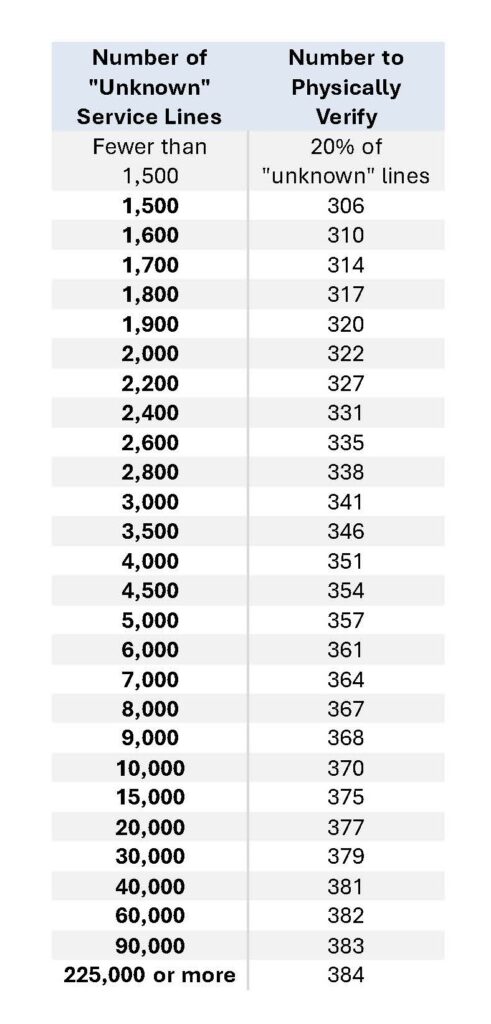
The cornerstone of LCRI compliance is having a complete and accurate inventory of service lines. Many communities still face uncertainty regarding the composition of their service lines, whether on the public side, private side, or both. Unknowns may pose a significant challenge to compliance, including the need for continued annual customer notifications and an elevated replacement rate.
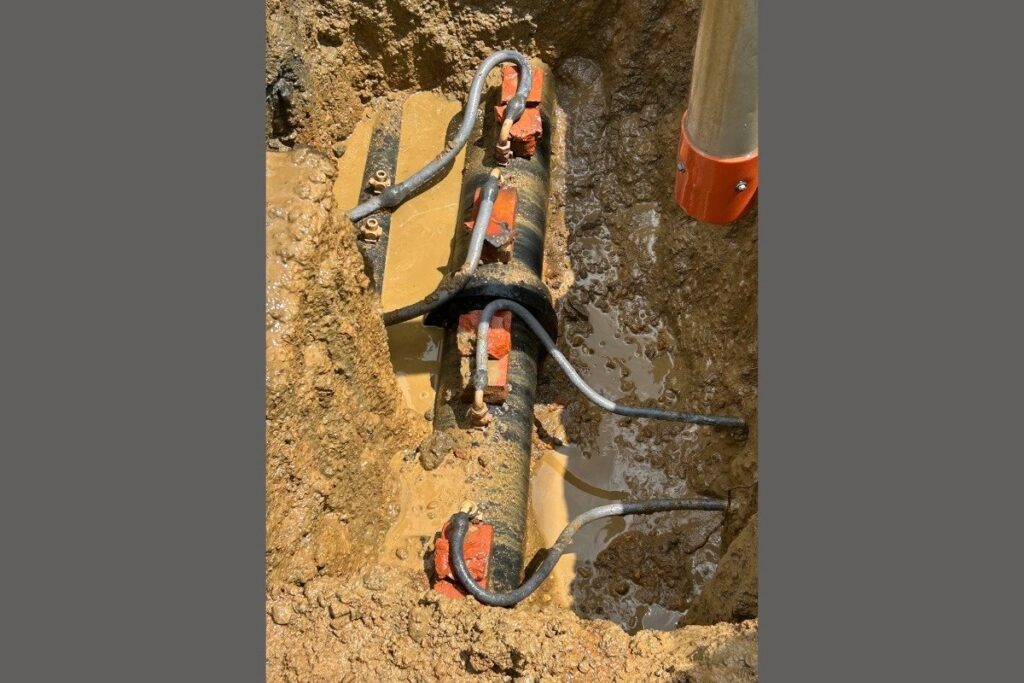
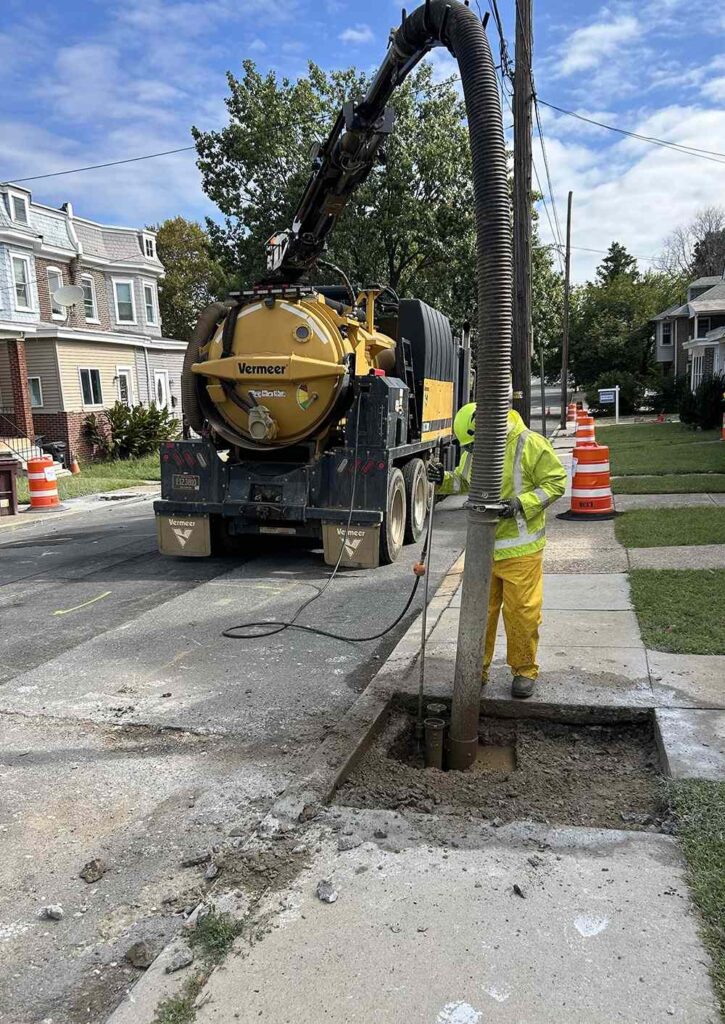
For communities still dealing with unknowns, the most cost-effective solution for reducing them lies in implementing a field inspection program combined with predictive modeling. The number of physical inspections required for your field inspection program depends on the number of unknowns that remain in your system.
If you believe that you have no lead in your system, statistical analysis can be used to allow you to mathematically claim your system as Lead-Free, pending your state’s acceptance of modeling, as our team has done for clients such as Blacksburg and Radford, Va. At least 34 states have released specific guidance documents that accept statistical or predictive modeling methods for minimizing unknown service lines.
Before commencing your field program, it is always recommended that utilities meet with their state regulatory agency to lay out their plan and understand any specific nuances that may be more stringent than the EPA’s LCRI requirements, especially regarding field investigations, the number of representative investigations required, and the criteria for accepting predictive models or statistical analysis to minimize unknowns.
In addition to the baseline inventory, there are many other compliance components that are due on Nov. 1, 2027.
- Replacement plan. Once the baseline inventory is established, utilities must develop and submit a replacement plan to their state regulatory agency. The plan must include the annual replacement rate, based on the total number of lead service lines, galvanized requiring replacement (GRR), and unknowns. The plan should also outline prioritization and funding strategies and communication protocols to support timely execution. The full list of requirements can be found on the EPA’s fact sheet. The replacement plan is more than a regulatory requirement. It serves as a strategic tool for managing costs, scheduling work, and communicating progress to stakeholders.
- Revised Compliance Site Sampling Plan. Utilities must submit a compliance plan based on the new five-tiered tap sampling changes. This includes monitoring protocols for lead and copper levels, public education initiatives to inform residents about risks and mitigation steps, and emergency response procedures for elevated lead levels. The compliance plan demonstrates your utility’s commitment to transparency and accountability, which are critical for maintaining public trust.
- Schools and Childcare Lists. Protecting vulnerable populations is a central goal of the LCRI. Utilities are required to compile and submit a list of schools and childcare facilities served by their systems. Starting in 2028, 20% of these facilities must be tested annually for five years through 2032. However, utilities may begin testing sooner—as some of our clients in Florida, such as the City of Sanford, are already doing. Since these programs require significant coordination, it is recommended that you start coordinating with your school boards as soon as possible. Additionally, grant funding is available through the Water Infrastructure Improvements for the Nation (WIIN) grant to support this work and supplement the available funds from the DWSRF.
Financing the Efforts
While replacing lead service lines can be costly, utilities have access to several funding options to help offset these costs. The most notable is through the DWSRF. On Nov. 25, 2025, the EPA announced the next round of $3 billion in funding, plus an additional $1.1 billion of unused funds being redistributed to states. A memo detailing the methodology was also released, with the fiscal year 2025 distribution of appropriations included as Attachment A. Illinois received the most funding, followed by Ohio, New York, Michigan, Pennsylvania, Indiana, New Jersey and Wisconsin, each of which received over $100 million in funding.
So how do you get access to these funds? For starters, these funds are funneled through the states, each of which has its own programs and funding mechanisms. Utilities should engage early with state agencies to understand eligibility criteria and maximize the amount of funding they can receive.
For instance, during LCRR, Massachusetts offered 100% principal forgiveness of IIJA/BIL DWSRF LSLR loans, essentially resulting in a grant. In other states, such as Florida, 49% of the LSLR funds are provided as a principal forgiveness loan, and the other 51% as a 0% interest loan, with quarterly application cycles. In other states, such as Mississippi, the funds are distributed on a tiered system based on Median Household Income (MHI), allowing up to 70% of the requested loan as principal forgiveness.
These examples show that each state has a different structure, and utilities must understand their own. All states and water system owners have until Sept. 30, 2026, to apply for and receive these funds. If there are remaining funds, they will be available for future reallocation.
Final Takeaways
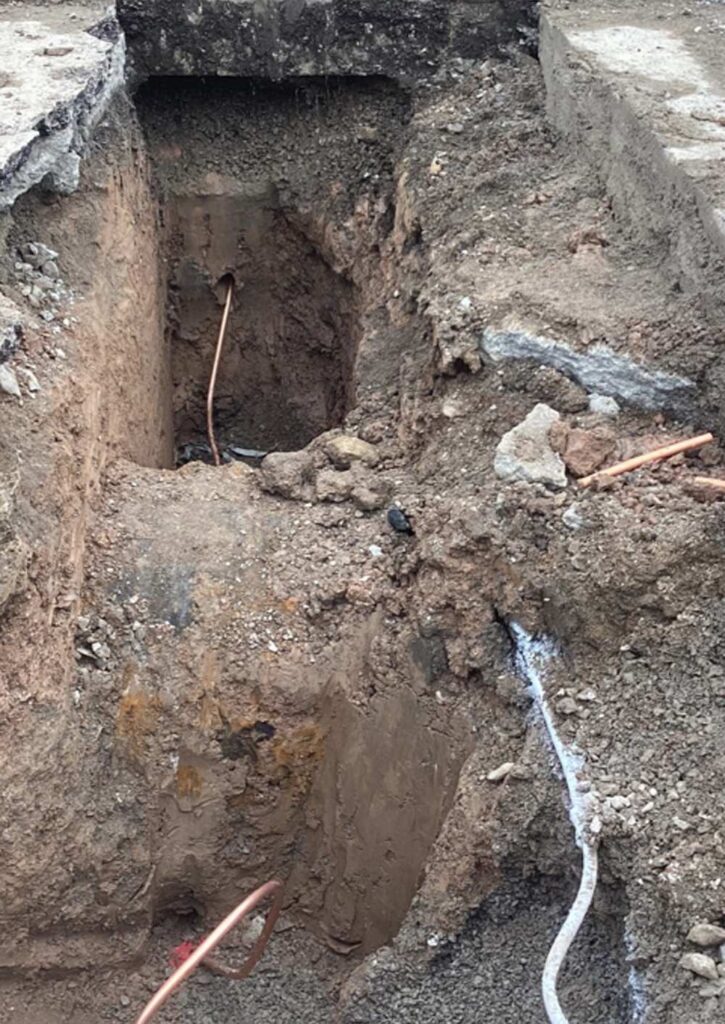
Achieving LCRI compliance is complex, but the message remains clear: do not wait. Delays increase the risk of falling behind on inventory, planning, and securing both short and long-term funding.
To stay on track, utilities should take the following steps:
- Start now: Begin or accelerate inventory efforts using field inspections and predictive modeling or statistical analysis.
- Engage stakeholders: Collaborate with state agencies, school districts, consultants, and internal teams to maintain alignment on goals and timelines.
- Secure funding: Explore SRF appropriations, grants, and loan forgiveness programs to finance baseline inventory, sampling, and replacement efforts.
- Submit plans early: Replacement and compliance plans can be submitted before deadlines to allow time for review and changes.
The LCRI is more than a regulatory mandate — it’s an opportunity to eliminate lead exposure risks and safeguard public health for generations. Utilities that take proactive steps today will not only position themselves for successful compliance but also build trust within the communities they serve.

Brendan O’Brien, P.E., MBA, is water resources market segment leader at CHA Consulting, Inc. O’Brien has more than 11 years of experience in drinking water, wastewater and stormwater planning, design, and construction. He has strong technical expertise in LCR compliance and LSL replacement programs nationwide.









Leave a Reply