NACWA urges presidential candidates to prioritize water infrastructure

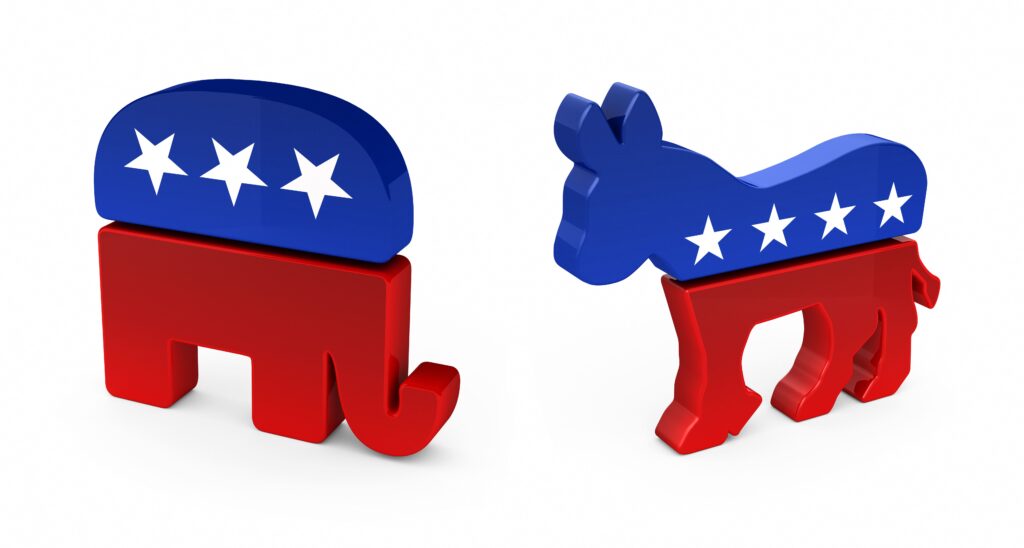
As the 2024 presidential race intensifies, the National Association of Clean Water Agencies (NACWA) said it is urging both candidates to prioritize critical clean water infrastructure issues. The organization said in a statement that it has submitted letters to both Vice President Kamala Harris and former President Donald Trump outlining several pressing challenges that affect public health, the environment and the economic stability of American communities. 

“We were disappointed that neither candidate directly addressed clean water issues during the presidential debate,” said NACWA CEO Adam Krantz. “Access to clean, affordable water is a top concern for voters across the country, and it deserves significant attention in the national conversation leading up to the 2024 election. Clean water utilities nationwide continue to grapple with rising costs, aging infrastructure and increasing regulatory demands. Federal leadership and investment are vital to maintaining access to safe, reliable and affordable water services for millions of Americans.” 

NACWA reiterated what it considered the top priorities for the water sector heading into the election:

Water Affordability

Across the U.S., rising water and wastewater service rates have created significant financial burdens for low-income households. NACWA is calling for the establishment of a permanent Low-Income Household Water Assistance Program (LIHWAP) to provide much-needed relief to vulnerable communities.

Infrastructure Investment

The EPA’s 2022 Clean Watershed Needs Survey estimates that there are over $630 billion in unfunded water infrastructure needs across the country. Increased funding for key programs like the Clean Water State Revolving Fund is critical to meeting these needs, especially for wastewater treatment and stormwater management.

PFAS Contamination and Liability

PFAS pose one of the greatest environmental and public health challenges of our time. NACWA urges federal policies that ensure polluters, not the public or utilities, are held accountable under the Comprehensive Environmental Response, Compensation, and Liability Act (CERCLA), and that financial responsibility is borne by the chemical manufacturers who caused the contamination.

Water Workforce and Technology

NACWA supports expanding workforce development grants, with a focus on partnerships between utilities, veterans, community colleges, and vocational schools. Additionally, NACWA calls for greater investment in innovative water technologies, such as artificial intelligence, to enhance system efficiency and sustainability.

Cybersecurity

As utilities face increasing cybersecurity threats, it is essential to ensure that water systems are adequately protected. NACWA advocates for expanded technical and financial assistance to help utilities safeguard their infrastructure and protect national security.

Trump held a town hall event in Flint, Michigan, on Tuesday, Sept. 17. The Detroit Free Press reported that although the former president talked extensively about manufacturing in the state, there was no mention of the water crisis that broke out in the City of Flint beginning in 2014 when its distribution system became contaminated with elevated lead levels.

Leave a Reply

Your email address will not be published. Required fields are marked *