![dreamstime_5224474-[Converted]](https://waterfm.com/wp-content/uploads/dreamstime_5224474-Converted.jpg)
By Greg Baird
Continue Reading
This archived story is available after you provide your email address and accept our Privacy Policy.

By Greg Baird
This archived story is available after you provide your email address and accept our Privacy Policy.
 The Next Phase of Digital Transformation for Water Utilities
September 28, 2026
The Next Phase of Digital Transformation for Water Utilities
September 28, 2026
 WateReuse Association releases water reuse regulatory guidebook
September 24, 2026
WateReuse Association releases water reuse regulatory guidebook
September 24, 2026
 McKim & Creed welcomes new asset management team leader
September 24, 2026
The Next Phase of Digital Transformation for Water Utilities WateReuse Association releases water reuse regulatory guidebook McKim & Creed welcomes new asset management team leader
McKim & Creed welcomes new asset management team leader
September 24, 2026
The Next Phase of Digital Transformation for Water Utilities WateReuse Association releases water reuse regulatory guidebook McKim & Creed welcomes new asset management team leader 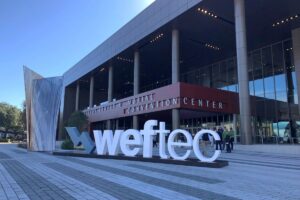 WEFTEC returns to New Orleans amid bevy of issues facing water
  LA financing authority gets WIFIA loan for drinking water upgrades


Nice article Greg. I would include the fact that you cannot manage what you cannot measure (a truism in spite of contrarians). Most public water systems do not have an accurate accounting of the current liability these systems impose on the real property assets they serve.
Utilities should be required to compile an accurate accounting of the cummulative liabilities of their aged assets as well as the decaf all rate at which they are accruing added liability. This needs to be reported to the public and included in their bond rating. It has property value, water rate and revenue borrowing implications.
These liabilities have the potential to adversely impact the utilities ability to generate sufficient revenue to address ongoing planned maintenance as the utility faces the much higher cost of dealing with catastrophic failure.